
3908499383@qq.com
008613267832998

The Rising Popularity of Felt Products: How a Timeless Material is Shaping Modern Design and Sustainability
In an era where sustainability meets innovation, felt has emerged as one of the most versatile and eco-friendly materials making a remarkable comeback across industries. From fashion accessories to home décor, from industrial applications to creative crafts, felt products are experiencing unprecedented growth in demand worldwide.
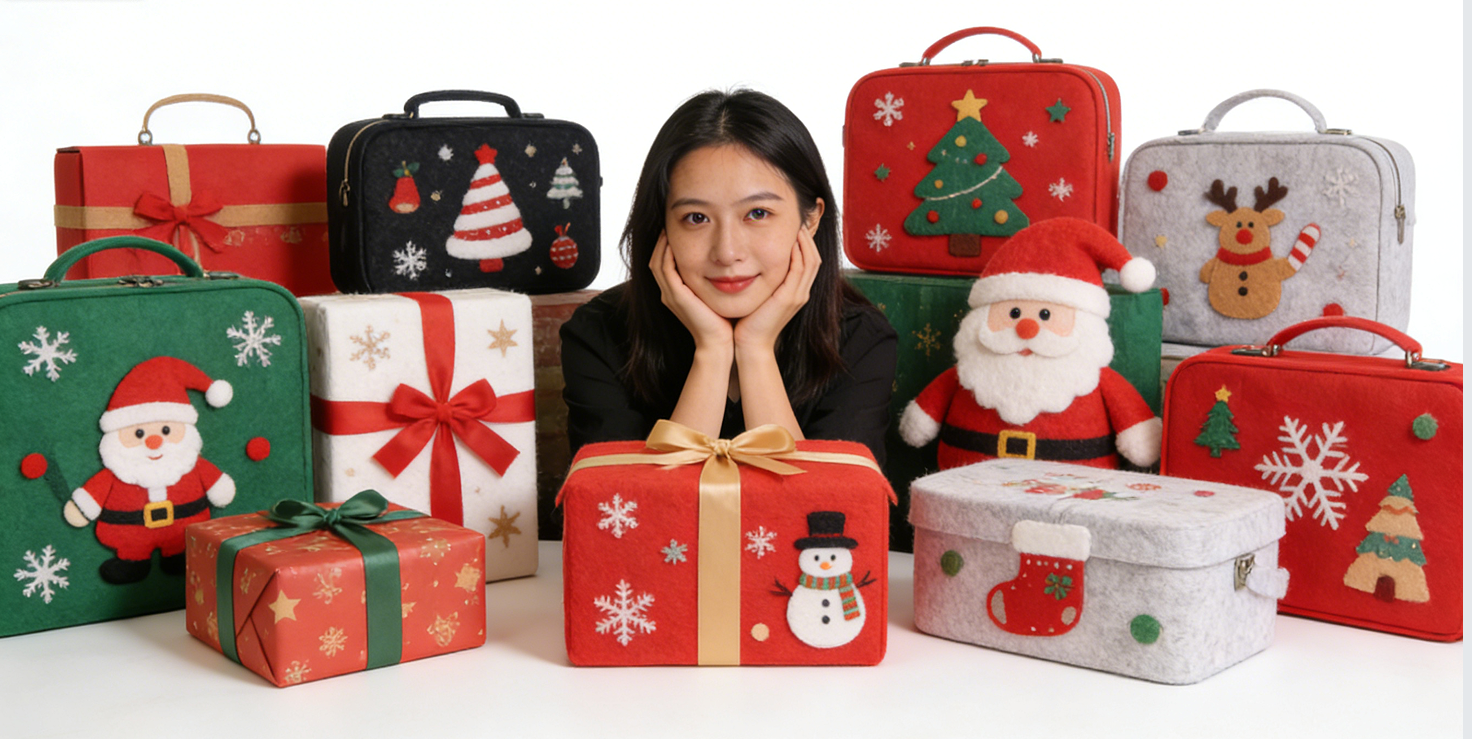
A Material with Deep Roots, Modern Relevance
Felt, one of the oldest known textiles in human history, dates back over 8,000 years. Unlike woven fabrics, felt is produced through a unique process of matting, condensing, and pressing fibers together — traditionally wool, but now also including synthetic and blended fibers. This manufacturing method gives felt its distinctive properties: durability, water resistance, sound absorption, and natural insulation.
Today, manufacturers are combining traditional felting techniques with modern technology to create products that meet the demands of contemporary consumers who value both aesthetics and environmental responsibility.
Why Felt is Winning Over Designers and Consumers
Sustainability at Its Core
As global awareness of environmental issues continues to rise, felt stands out as a naturally sustainable material. Wool felt is biodegradable, renewable, and often produced using minimal chemical processing. Many manufacturers are now offering recycled felt options, further reducing the environmental footprint of the products we use every day.
Unmatched Versatility
Felt's unique physical properties make it suitable for an incredibly wide range of applications:
Home & Interior Design: Felt rugs, wall panels, chair cushions, and storage baskets bring warmth, texture, and acoustic comfort to modern living spaces. Felt wall coverings, in particular, have gained traction in office design for their sound-dampening qualities.
Fashion & Accessories: Felt hats, bags, slippers, and jewelry continue to trend, with designers embracing the material's ability to hold shape and rich color.
Industrial & Technical Uses: Felt plays a critical role in machinery, filtration systems, automotive interiors, and even aerospace engineering due to its vibration-dampening and sealing properties.
Stationery & Craft: Felt pouches, pen holders, and organizers have become popular among professionals and students alike for their soft texture and protective qualities.
Durability Meets Comfort
Felt products are built to last. The interlocked fiber structure resists tearing and fraying, meaning felt items maintain their shape and appearance for years. At the same time, the material offers a soft, tactile experience that consumers find comforting and premium.
Market Trends and Future Outlook
The global felt products market has seen steady growth over the past several years, driven by increasing demand from the construction, automotive, and lifestyle sectors. Industry analysts point to several key trends shaping the market:
Eco-Conscious Consumerism: Buyers are actively seeking products made from natural and recycled materials, positioning felt as a preferred choice over synthetic alternatives.
Customization and Personalization: Advances in laser cutting and digital printing technology have made it easier than ever to create custom felt products tailored to individual tastes and brand requirements.
Acoustic Design Boom: As open-plan offices and co-working spaces multiply, the demand for felt acoustic panels and sound-absorbing solutions continues to surge.
Health and Wellness Focus: Felt's natural hypoallergenic and antimicrobial properties are gaining attention in healthcare and wellness environments.
Innovation in Felt Manufacturing
Modern manufacturers are pushing the boundaries of what felt can do. New developments include:
Thermoformed felt products that maintain complex 3D shapes
Nanocoated felt with enhanced water and stain resistance
Hybrid felt composites combining natural fibers with high-performance synthetics
3D felt printing technology that opens new possibilities for product design
Conclusion
Felt is far more than just a craft material — it is a sophisticated, sustainable, and highly functional textile that continues to evolve with the times. As consumers and industries increasingly prioritize environmental responsibility without compromising on quality or design, felt products are well-positioned to play an even larger role in our daily lives.
Whether you're outfitting a home, designing a workspace, or sourcing materials for industrial applications, felt offers a compelling combination of heritage craftsmanship and modern innovation that few materials can match.
Want to learn more about how felt products can enhance your space or business? Explore our full collection and discover the timeless appeal of felt, reimagined for the modern world~
Contact: Tim Li
Phone: 008613267832998
E-mail: 3908499383@qq.com
Whatsapp:008613267832998
Add: 16-2-1102,No 8,Wealthy street, Luquan District,Shijiazhuang City,Hebei Province,China